
Galway, Ireland
The Honorable Joseph B. McGlynn, Honorary Consul of Ireland, conceived the idea of a St. Louis – Galway Sister City relationship while he was in Galway in 1976. The affiliation became official in 1977. Since then, the committee has developed a number of programs and events, including the St. Patrick’s Day Parade, cultural and business development missions to Ireland and an amateur art exhibit. Student exchanges occur every summer.
Gallery
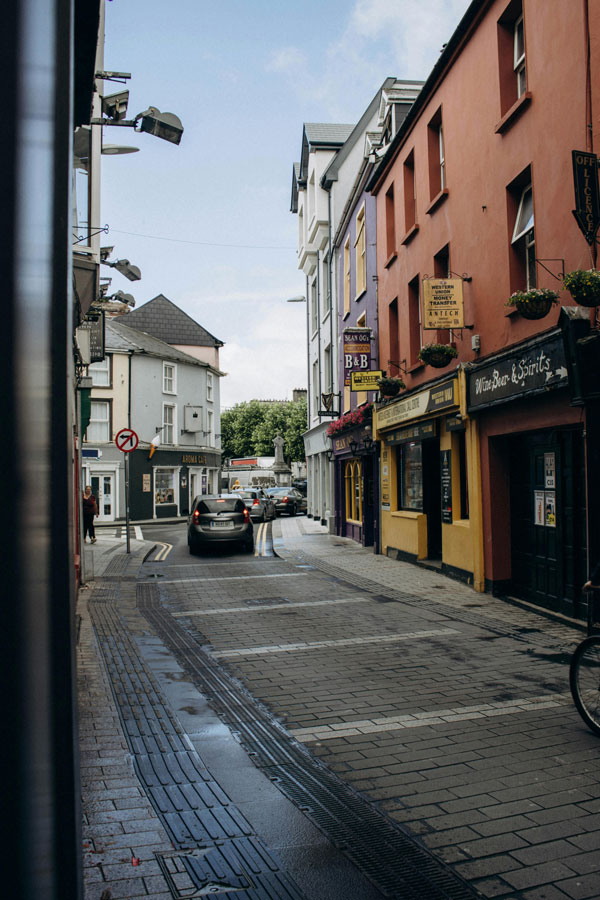
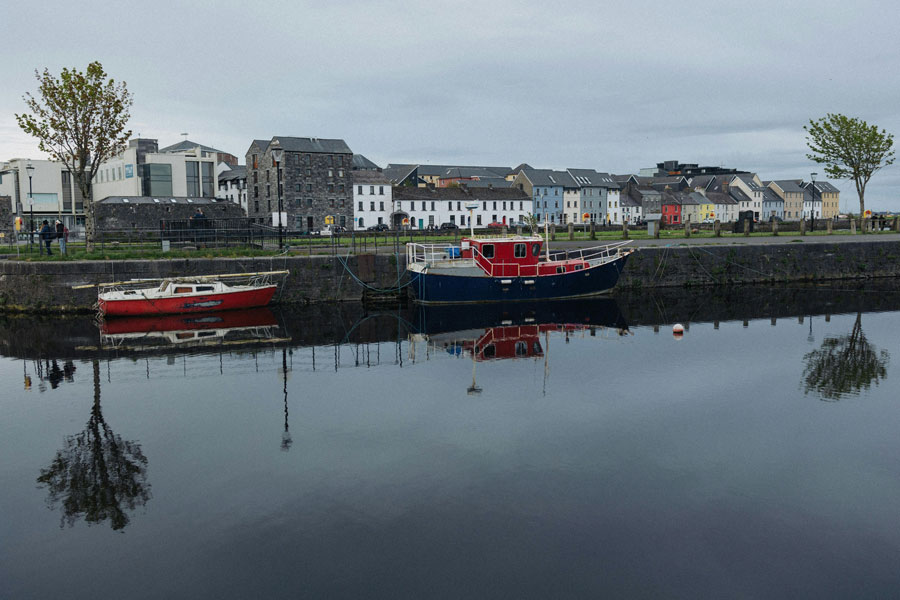
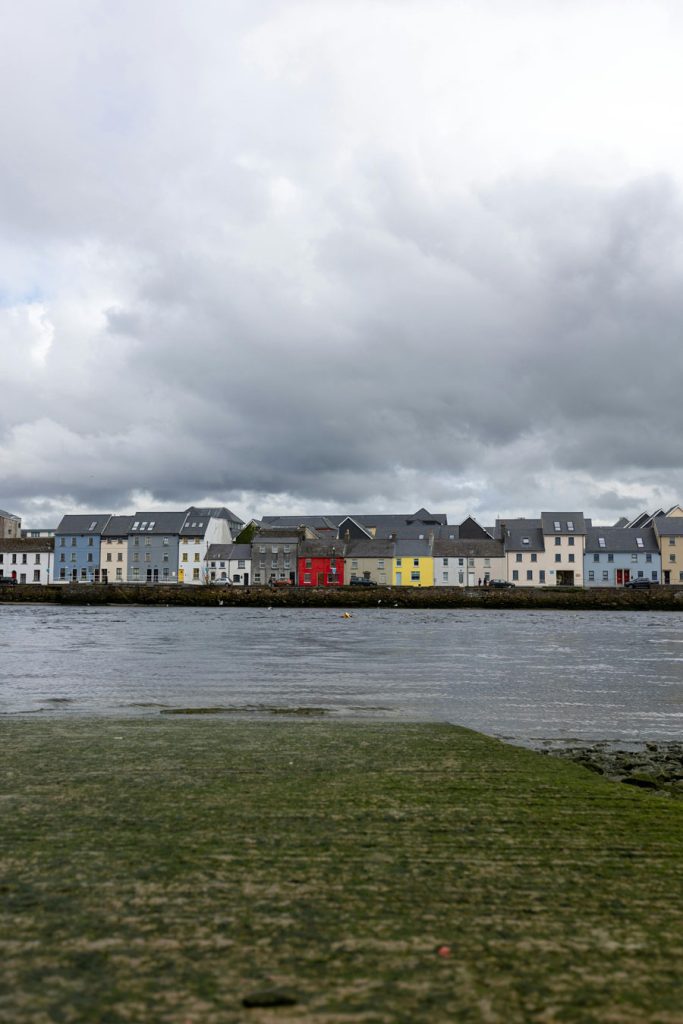
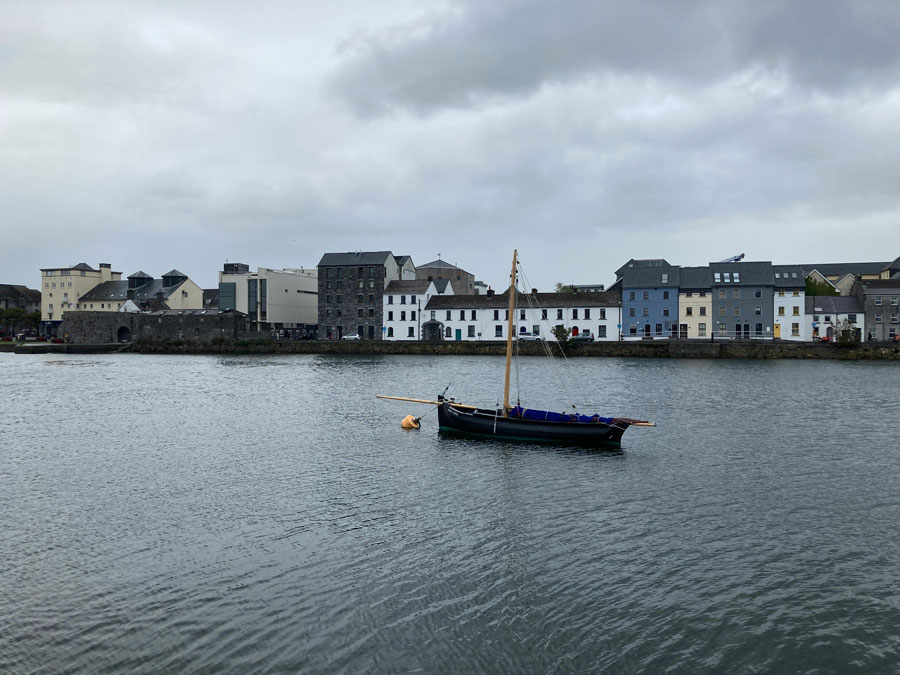
More Information About Galway
Location
Galway City is one of the fastest growing cities in Europe and has a young population, two factors that contribute to it being regarded as Ireland’s most vibrant city.
Land Area: 18.75 sq. miles.
Census Details: Total population – 79,934 (2016 census)
History
Galway as a city was already 500 years old when it was granted its charter in 1484 by Richard III. It had already assumed a commercial importance – Christopher Columbus visited the city while trading from Lisbon in 1477. Around this time 14 wealthy merchant families ruled the city, earning Galway the name of the ‘City of the Tribes.’ These families were proud of their status and created their own special coat of arms, often without heraldic authority, which they had carved on to the facades of their premises. The tribes held their position for the next 170 years, until 1651 when a Cromwellian force, under Sir Charles Coote, besieged the city. Galway surrendered, and the tribes lost all their power. Although Irish Catholics temporarily regained the city, they soon lost this control following the Battle of Aughrim. During the 18th century, Galway declined in status and in 1841, lost its classification as a city. Nonetheless, it still maintained strong trading links and many industries flourished. Queens College, Galway, was established in 1845. This was the time of the Great Famine, when many thousands died in the city and its environs. By 1899, the population of Galway had been halved. In 1916, a rising against the British was instigated by Liam Mellowes in the city but failed. It became an urban municipality once again in 1937. The fortunes of the city began to look up in the 1960s, with the expansion of industry and tourism in the country. It is now an industrial centre for the west, with a thriving arts scene.
FOR MORE INFORMATION, CONTACT:
Famous Natives of the Past:
- Nora Barnacle (wife to James Joyce)
- Ellis Dillon (author, died 1993)
- Frank Harris (writer/journalist, died 1931)
- Gerard Anthony Hayes-McCoy (historian, died 1975)
- Dónall MacAmhlaigh (novelist/short story writer, died 1989)
- Liam Mellowes (leader of failed Galway rising in 1916)
- Pádraic Ó Conaire (short story writer/novelist, died 1928)
In the News
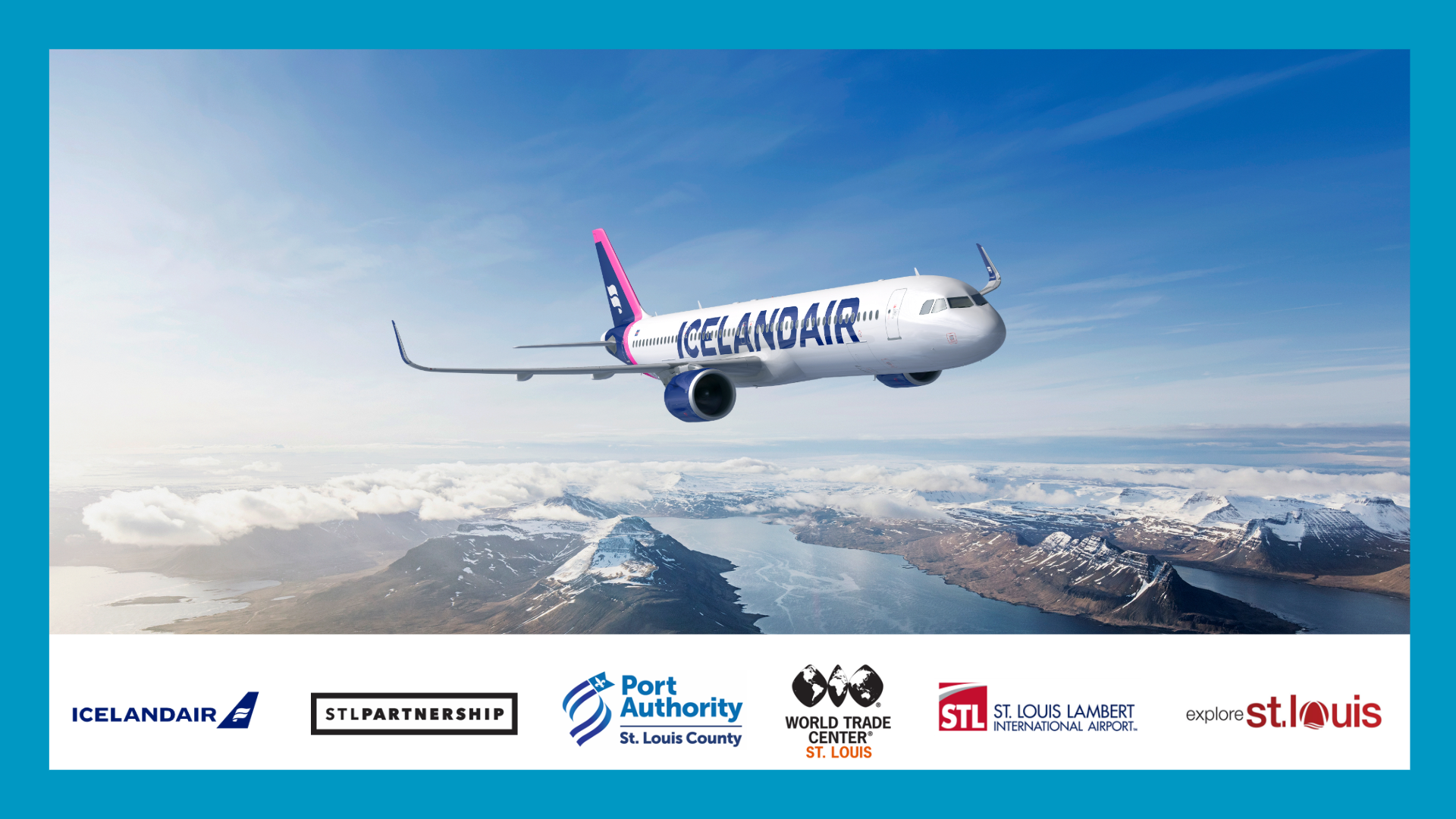
Icelandair Announces Service from St. Louis and Expanded Partnership with Southwest Airlines
Today, Icelandair, announces the addition of their newest gateway, St. Louis Lambert International Airport (STL), opening flights and…

New Americans Finding Success through WashU CAPS Empower Program
St. Louis Mosaic Project hosts professional development sessions through program When Washington University (WashU) Continuing & Professional Studies…

Global Connectivity Takes Flight at Growing Global 2026
World Trade Center St. Louis event highlights connecting St. Louis to global opportunities World Trade Center St. Louis…
Committee Membership
Membership to the St. Louis – Galway Sister Cities Committee is $50 annually.