STL Partnership Brings Brownfields Redevelopment Lessons Home from New Orleans
Workshop connects cleanup financing, community partnerships and new uses for historic properties
Maude Bauschard Trost, senior project manager with St. Louis Economic Development Partnership (STL Partnership), attended the EPA Revolving Loan Funds Workshop in New Orleans Oct. 6–7. Hosted by Grow America and the International City/County Management Association, the workshop brought together brownfields program staff, developers and technical assistance providers to explore ways to move contaminated properties toward productive reuse.
Brownfields are properties where actual or potential environmental contamination can complicate redevelopment. Revolving loan funds help finance eligible cleanup activities, with loan repayments supporting future projects. Trost’s participation supports STL Partnership’s work administering brownfields programs for the Land Clearance for Redevelopment Authority of St. Louis County.
Workshop sessions explored how to identify potential projects, evaluate financing needs, build partnerships and establish clear program procedures. Discussions emphasized connecting environmental cleanup to a realistic redevelopment plan and coordinating public, private and nonprofit resources to help projects advance.
A developer forum offered perspectives on the factors that influence investment decisions, including market demand, access to financing and predictable timelines. These discussions highlighted the value of engaging developers and community partners early to understand obstacles and identify where brownfields assistance can make a difference.
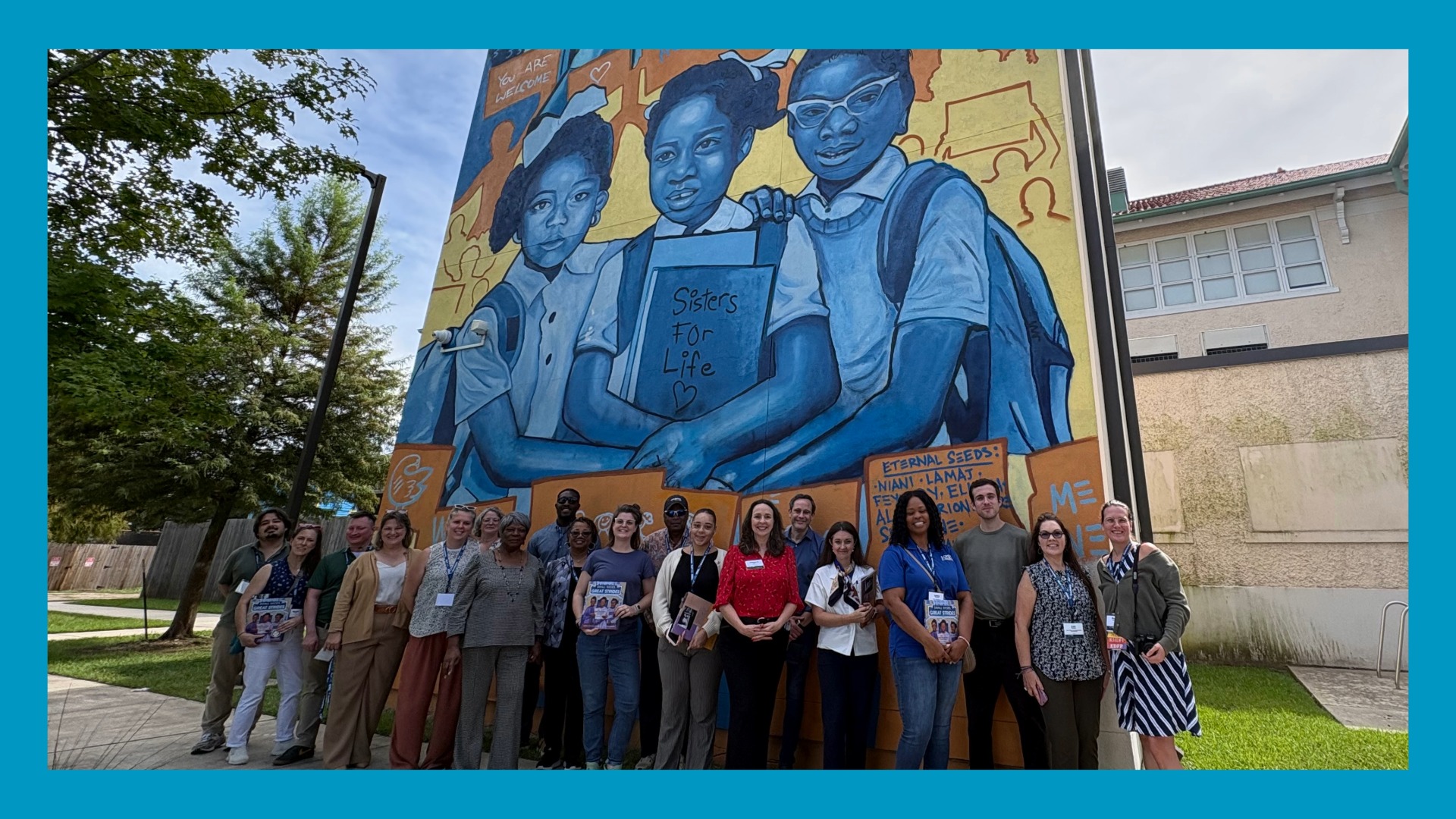
Trost also participated in the optional redevelopment tour, visiting the historic McDonogh 19 school, now home to the Tate, Etienne and Prevost Center. She met Leona Tate, who, alongside Gail Etienne and Tessie Prevost, desegregated the school in November 1960. The restored property combines civil rights education and exhibition space with 25 affordable apartments for older adults, demonstrating how redevelopment can preserve a community’s history while meeting current needs.
The tour also included Bywater Navy Yard, where Trost saw the early stages of a redevelopment transforming a former military complex along the Mississippi River. Plans combine affordable and workforce housing, an energy technology incubator, retail and public gathering spaces, illustrating the coordination required to bring a large historic property back into use.
The training and site visits provided practical lessons for STL Partnership’s ongoing work helping communities address environmental barriers, prepare properties for investment and pursue redevelopment that serves local priorities.
Have a potential brownfield project in the St. Louis region? Contact STL Partnership’s Community Investment team to discuss your property, redevelopment goals, and potential brownfields resources.